
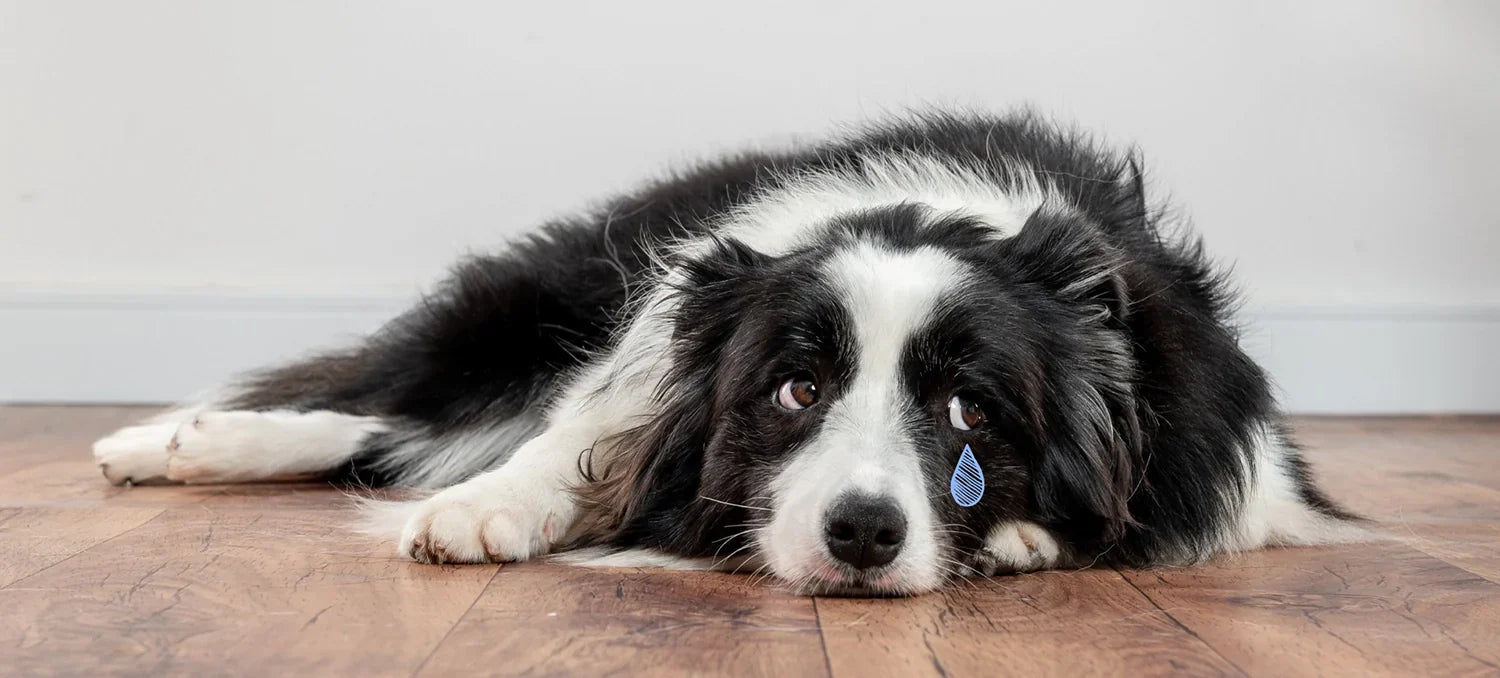
We've all fallen for it.
Your dog lets out a dramatic sigh, stares at you with those giant puppy eyes, and suddenly you're questioning every life decision you've ever made. Should you cancel your plans? Open another bag of treats? Apologize for leaving the house for 20 minutes?
Dogs have mastered the art of making us feel guilty. But are they actually sad, or are we just reading too much into those expressive faces?

Yes, dogs can feel sadness, but not quite like we do
Dogs experience a range of emotions, including joy, fear, excitement, anxiety, and sadness. They may not process complex emotions the same way humans do, but they absolutely notice when something in their world feels different.
Unlike us, they aren't lying awake replaying an awkward moment from three years ago. Their emotions are usually tied to what's happening in the present.
If their routine changes, someone they love disappears, or they're not feeling well, you'll often see it reflected in their behavior.

Sometimes the smallest changes hit them the hardest
Dogs thrive on predictability.
Something as simple as the kids going back to school, a parent returning to the office, or moving the furniture around can throw off their routine. Some dogs adjust within a day or two. Others need a little more time.
Losing another pet or a family member can also affect them. Many dogs become quieter, sleep more, or seem less interested in activities they normally enjoy while they adjust to the change.
Even boredom can look a lot like sadness. A dog that isn't getting enough exercise, enrichment, or interaction may appear withdrawn when they're actually just under-stimulated.

So how can you tell if your dog is actually feeling down?
The biggest clue isn't one dramatic moment. It's a change in their normal behavior.
Maybe your energetic dog suddenly isn't interested in playing fetch. Maybe they stop greeting you at the door or sleep much more than usual. Some dogs become clingier, while others prefer to be left alone.
A bad day isn't usually cause for concern. Just like people, dogs have off days too.
But if those changes stick around for several days, or seem to come out of nowhere, it's worth checking in with your veterinarian. Illness and discomfort can sometimes look like sadness.

The best thing you can give them isn't always another treat
When dogs seem a little down, the answer is often surprisingly simple.
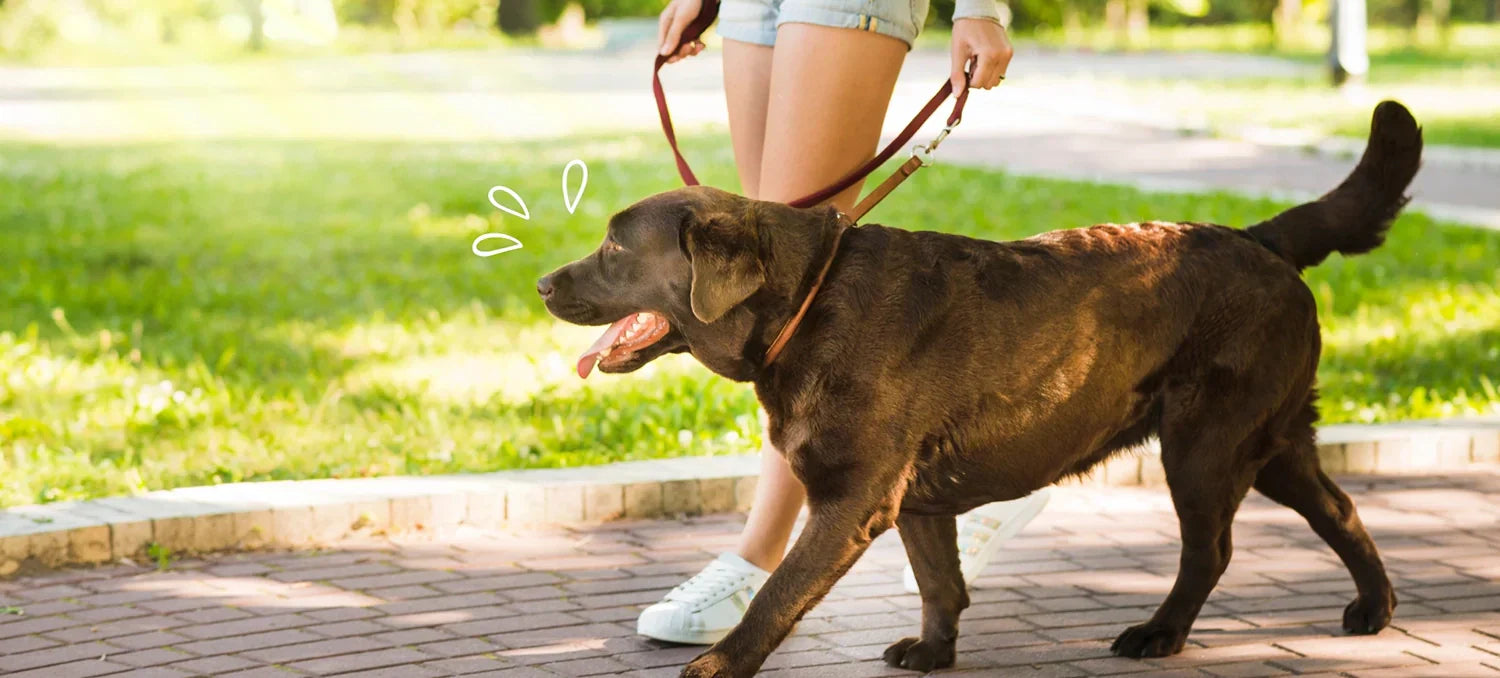
Stick to their routine. Take them on a longer sniff walk. Spend a few extra minutes playing tug or tossing a ball. Hide treats around the house for them to find, or teach them a new trick.
To us, these are small moments.
To your dog, they're the best part of the day.
So the next time your dog gives you that heartbreaking look, don't panic just yet. They might just be tired. They might be bored. They might simply be wondering when dinner is.
And yes... they're probably hoping you'll share a snack too.

Leave a comment
All comments are moderated before being published.
This site is protected by hCaptcha and the hCaptcha Privacy Policy and Terms of Service apply.