











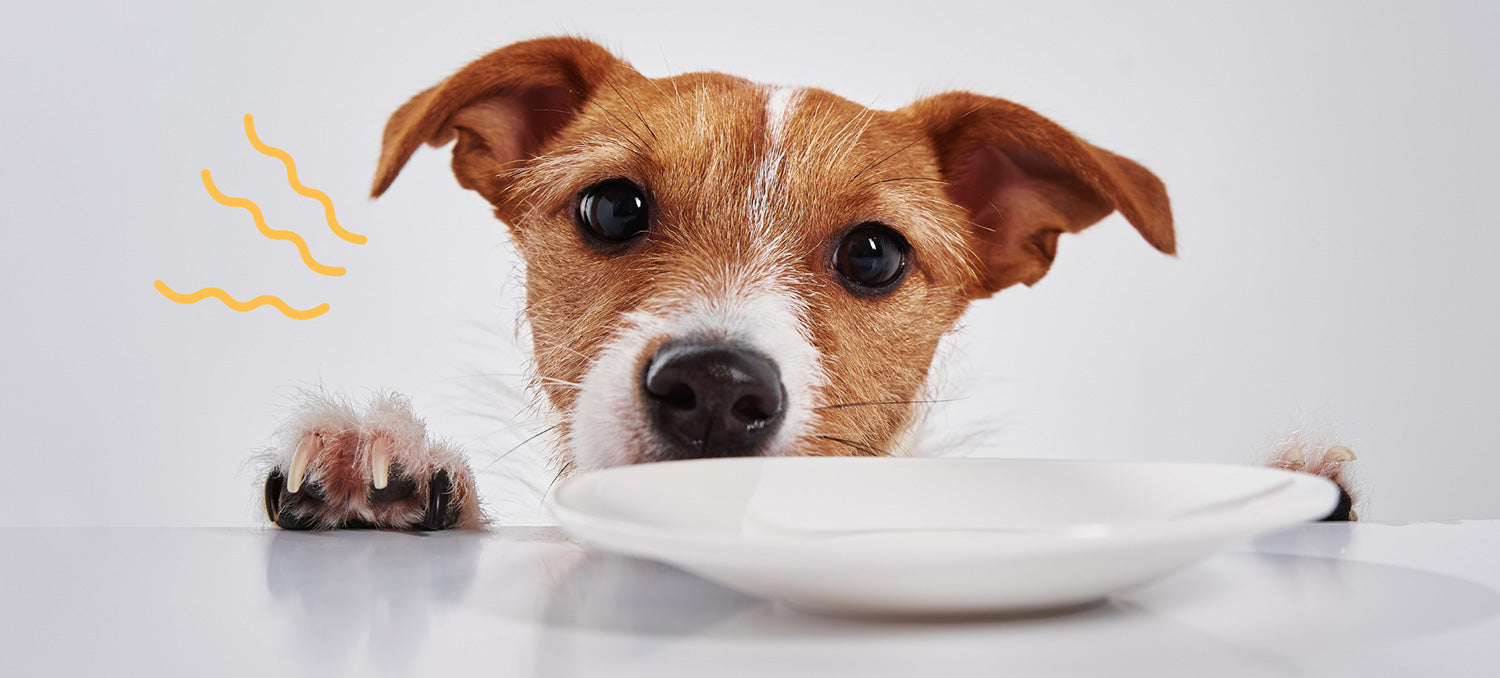
You fed them, watched them eat, and saw the bowl become empty.
And yet, three minutes later, they are standing beside you with the face of an animal who has not seen a meal in their entire life.
It is dramatic. It is convincing. And if we are being honest, it has probably worked before.
The truth is, pets can act hungry for a lot of reasons. Sometimes it is habit. Sometimes it is boredom. Sometimes it is pure love for snacks. And sometimes, it is a sign worth paying attention to.

Some Pets Are Just Food-Motivated
For some pets, food is not just food. It is an event.
They know the sound of the treat bag. They know which cabinet holds the good stuff. They know exactly when dinner is supposed to happen, and they will absolutely remind you 45 minutes early just in case you forgot.
This does not always mean they are actually hungry. Food can also mean attention, comfort, routine, excitement, or simply something fun to do.
Dogs often get excited by food because it is tied to training, rewards, and bonding. Cats may become extra vocal around meals because they like routine and control over their schedule. In both cases, the “starving” act may be less about an empty stomach and more about knowing food is possible.

Begging Is Usually Learned
Here is the slightly uncomfortable truth: pets are very good at training us.
If staring at you during dinner once resulted in a tiny bite of chicken, they remember. If pawing your leg got them a treat, they remember. If looking deeply betrayed beside their bowl made you add “just a little more,” they definitely remember.
Begging often becomes a habit because it gets rewarded, even by accident.
That does not mean you have to ignore your pet completely. It just means consistency matters. If begging sometimes works and sometimes does not, many pets will keep trying because there is still a chance.
Try saving treats for planned moments, like training, enrichment, or after walks. That way, snacks still feel special, but your pet is not learning that dramatic eye contact is a full-time job.

Treats Count More Than You Think
A few treats here and there can feel harmless, especially when they are small.
But for pets, small snacks can add up fast. Treats, chews, table scraps, training rewards, and “just one bite” moments all count toward their daily intake.
A good rule of thumb is to keep treats to a small portion of your pet’s overall diet and make sure their regular food is still doing most of the nutritional work.
This is especially important for smaller pets. A snack that looks tiny to us can be a much bigger deal for them.
Very unfair that emotionally necessary treats still count as calories, but here we are.

Boredom Can Look Like Hunger
Sometimes pets ask for food because they want something to do.
Food is exciting. It gives them attention, smells, texture, and a tiny mission. So when your pet keeps acting hungry between meals, they may not need more food. They may need more stimulation.
Instead of reaching for another treat right away, try giving them something that uses their brain or body.
A puzzle feeder, lick mat, short training session, or a sniff walk can be especially helpful for pets who seem obsessed with food but are eating normally, maintaining weight, and acting like themselves.

Be Careful With Table Scraps
The begging IS your weakness.
Unfortunately, not everything on your plate is safe for your pet. Some common human foods can be dangerous for dogs and cats, including chocolate, grapes, raisins, onions, garlic, alcohol, caffeine, macadamia nuts, and anything sweetened with xylitol.
Even foods that are not toxic can still upset their stomach, especially if they are fatty, heavily seasoned, or outside their normal diet.
So when your pet looks personally offended that you are not sharing, try to remember: hurt feelings are safer than an upset stomach.


Leave a comment
All comments are moderated before being published.
This site is protected by hCaptcha and the hCaptcha Privacy Policy and Terms of Service apply.