
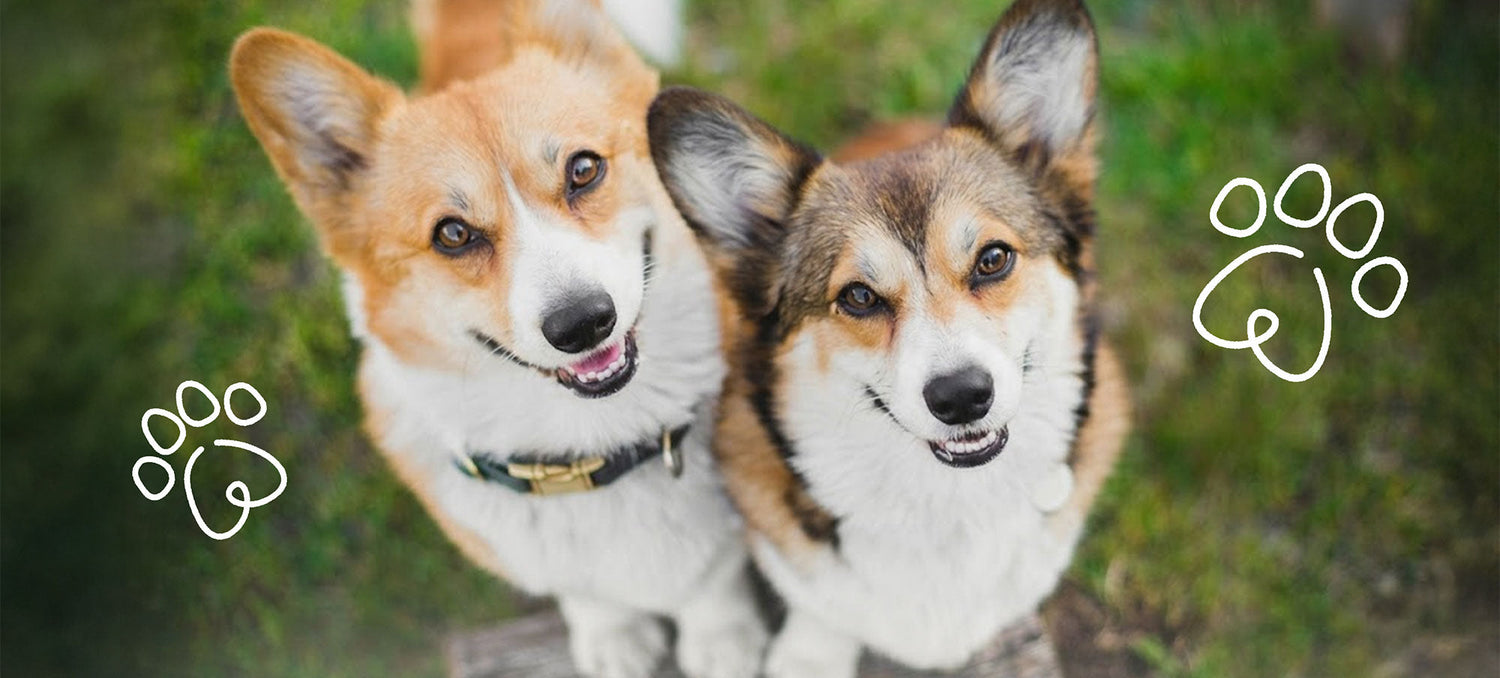
Getting a second dog sounds like a great idea: built-in company for your dog, more chaos, more fun. And it usually works out. But it's worth knowing what you're actually signing up for before you bring a second one home. Your first dog has a routine. They know where they sleep, when they eat, and how attention gets distributed. Adding another dog changes all of that, and not every dog takes it well right away.
🐾 Compatibility Is About Energy, Not Just Size
Most people think about breed or size when picking a second dog. Temperament and energy level matter more. A chill, confident dog tends to adapt. Two anxious dogs in the same house can make each other worse. A young, high-energy puppy can be genuinely irritating to an older dog who just wants to nap. Ask yourself honestly: does your dog actually like other dogs, or do they just put up with them? Do they know when to stop during play, or do they push until things get tense? That stuff matters a lot more once they're living together.
🦴 Your First Dog Will Need Reassurance
Even well-adjusted dogs can feel unsettled at first. Resource guarding can show up even in dogs that have never done it before. Food, sleeping spots, your attention — it can all become a bigger deal suddenly.
Feed them separately at first. Make time for each dog individually. It sounds small but it actually helps.
⚡ 2 Dogs is a Different Experience Than 1
They feed off each other's energy. If your dog's recall was okay before, it needs to be reliable now. Same with basic impulse control. Things that were easy to manage with one dog get harder with two.
🤝 What Success Actually Looks Like
Honestly, it's pretty undramatic.
They nap in the same room, play for a bit and then stop, and mostly just coexist. You're not going to get a perfect best-friends moment every day. Two dogs that just get along fine is a good outcome.
🛑 When to Pump the Breaks
If there's ongoing tension, repeated standoffs, or one dog is constantly trying to avoid the other, don't just wait it out hoping it gets better. Get a trainer involved. That's not a sign things went wrong, it's just part of managing the transition. The main thing is going in with realistic expectations and being willing to actually manage the adjustment period. Most people who do that end up fine.
Most Second Dog Situations Work Out
The first few weeks are the hardest and it's normal to wonder if you made a mistake.
Just pay attention, manage the transition properly, and adjust as you go. It gets easier.



Leave a comment
All comments are moderated before being published.
This site is protected by hCaptcha and the hCaptcha Privacy Policy and Terms of Service apply.